


Page 41 - Preventing Youth Violence
P. 41
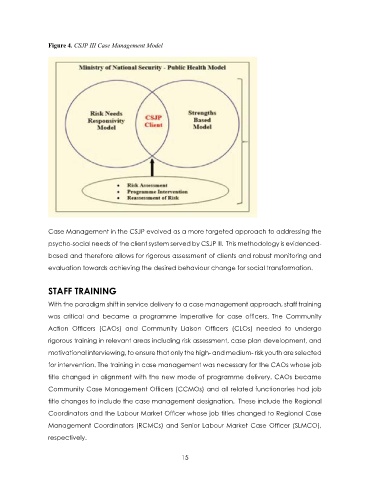
Figure 4. CSJP III Case Management Model


                 Figure 4. CSJP III Case Management Model


                 Case Management in the CSJP evolved as a more targeted approach to addressing the
                 psycho-social needs of the client system served by CSJP III.  This methodology is evidenced-

                 based and therefore allows for rigorous assessment of clients and robust monitoring and
                 evaluation towards achieving the desired behaviour change for social transformation.


                 STAFF TRAINING

                 With the paradigm shift in service delivery to a case management approach, staff training
                 was  critical  and  became  a  programme  imperative  for  case  officers.  The  Community

                 Action  Officers  (CAOs)  and  Community  Liaison  Officers  (CLOs)  needed  to  undergo
                 rigorous training in relevant areas including risk assessment, case plan development, and

                 motivational interviewing, to ensure that only the high- and medium- risk youth are selected
                 for intervention. The training in case management was necessary for the CAOs whose job

                 title changed in alignment with the new mode of programme delivery. CAOs became
                 Community Case Management Officers (CCMOs) and all related functionaries had job

                 title changes to include the case management designation.  These include the Regional
                 Coordinators and the Labour Market Officer whose job titles changed to Regional Case

                 Management Coordinators (RCMCs) and Senior Labour Market Case Officer (SLMCO),
                 respectively.


                                                             15

